

2017年3月24日
庆祝 FinishLynx 成立 25 周年:Lynx 系统开发者的发展历程
Lynx System Developers:一家初创公司的故事
作者:马特·布拉德利
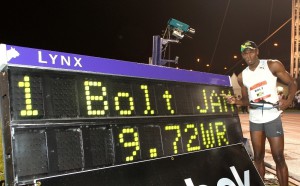
2017年3月24日,Lynx System Developers公司于1992年3月24日正式注册成立,今天是该公司成立25周年纪念日 。 1992年,公司的旗舰产品FinishLynx计时系统成为首款能够为田径比赛生成数字比赛结果的摄影终点相机。25年后,FinishLynx已成为全球最受欢迎的摄影终点计时系统,客户遍布6大洲135个国家,数量达数千家。
但在Lynx System Developers成为全自动体育计时领域的全球领导者之前,它还是一家来自马萨诸塞州的小型初创公司,当时正试图将“比赛成绩应以数字形式记录”这一简单构想付诸实践。为庆祝公司成立25周年,我们将回顾其创业初期,包括那些促成公司成功的人物、背景和技术。
旧式的计时方法
多年来,奥运会等世界级赛事一直使用胶片相机来记录冲线瞬间。虽然这些相机比人工计时更精准,但价格昂贵且操作繁琐,这一点众所周知。它们只能记录很短的时间(仅几秒钟),胶卷很快就会用完,往往在所有选手都尚未越过终点线之前就已耗尽。体育计时行业依靠胶片相机维持了数十年,直到更好的解决方案出现。
创始人
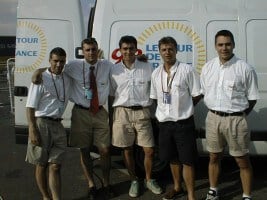
Lynx公司成立于1992年,但其故事远早于此。Lynx创始人道格·德安杰利斯(Doug DeAngelis)成长于缅因州奥林顿(Orrington)这个小镇。在就读附近的布鲁尔高中(Brewer High School)期间,他连续四年担任校田径队和越野跑队的队员。 毕业后,他进入缅因大学攻读电气工程学士学位。在缅因大学就读期间,道格又在该校一级联赛田径队中奔跑了四年。他是一名中距离跑运动员,并在大四那年担任越野跑队队长。
1988年毕业后,道格来到波士顿,租了一间单间公寓,并在霍尼韦尔-布尔公司(Honeywell-Bull)担任工程师。在那里,他参与了多项具有深远影响的项目,例如开发基于“Transputer”架构的超级计算机、运行公司专有操作系统,以及在整个办公区域配置互联网接入。这些早期接触软件开发和网络技术的经历,成为道格作为工程师和企业家成长道路上的重要一步。
道格特别喜欢这份工作,因为它能支付他攻读研究生课程的费用。因此,晚上他以特别学生的身份在麻省理工学院上课,这意味着他虽然能获得学分,但仍无法保证能被正式录取。他继续上课,希望最终能被该项目录取,后来他确实如愿以偿。与此同时,道格还代表当地一家田径俱乐部参加竞技比赛,并参加波士顿地区举办的各项赛事。正是在那个时候,他第一次接触到了 Accutrack——这种 基于胶片的摄影终点系统,数十年来一直是业界标准。
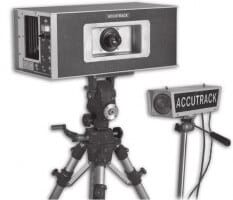
AccuTrack 电子计时系统
那是1990年的夏天,这位24岁的工程师正参加一场当地的田径比赛,准备上场参赛。但还没等他上场,一名裁判就请他帮忙排查Accutrack计时系统的问题。裁判对道格说:“我们有些选手需要达到全国锦标赛的参赛标准。你是工程师,应该能搞定。” 他确实做到了。经过一番反复调试,道格成功地在Accutrack带有时间戳的宝丽来胶片上记录下了几个达标成绩。他还很快发现了该系统的局限性,并指出:“胶片很短,一旦用完,就无法再记录成绩了。”道格在1997年接受《SportsTravel》杂志采访时,描述了他首次使用Accutrack的经历:
共有14名选手跑进14分钟,他们全都希望能跑出达标成绩。但我只拍到了排名前五的选手,作为一名长跑运动员,我觉得这真的很遗憾。
尽管存在局限性,Accutrack 仍是当时全美最受欢迎的摄影终点相机,十多年来一直被专业体育赛事和第一分区田径项目所采用。 NCAA田径教练帕特·亨利(路易斯安那州立大学/德克萨斯农工大学)和克雷格·普尔(杨百翰大学)都提到,在引进 FinishLynx 之前,他们的项目曾使用 Accutrack 多年。普尔教练还指出,早在 1980 年他加入杨百翰大学田径队之前,该校就已经配备了 Accutrack 系统。该系统在第一分区田径界已根深蒂固,要取代它绝非易事。
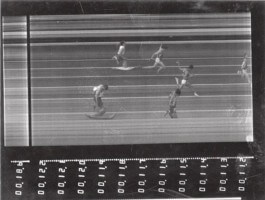
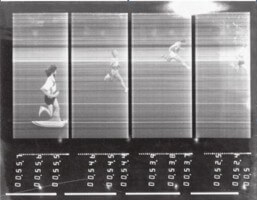
Accutrack 于 1972 年首次获得专利,其设计相对简单。相机通过一个直接对准终点线的小型垂直狭缝捕捉图像。它利用弹簧驱动系统,以恒定速度将 3×5 英寸的宝丽来胶片拉过镜头,从而生成运动员冲过终点线的连续图像。 该系统内置时钟,精度可达百分之一秒,并采用了一套巧妙的机制,可在最终冲印出的照片上叠加时间戳。
寻找更佳的会议时间安排方式
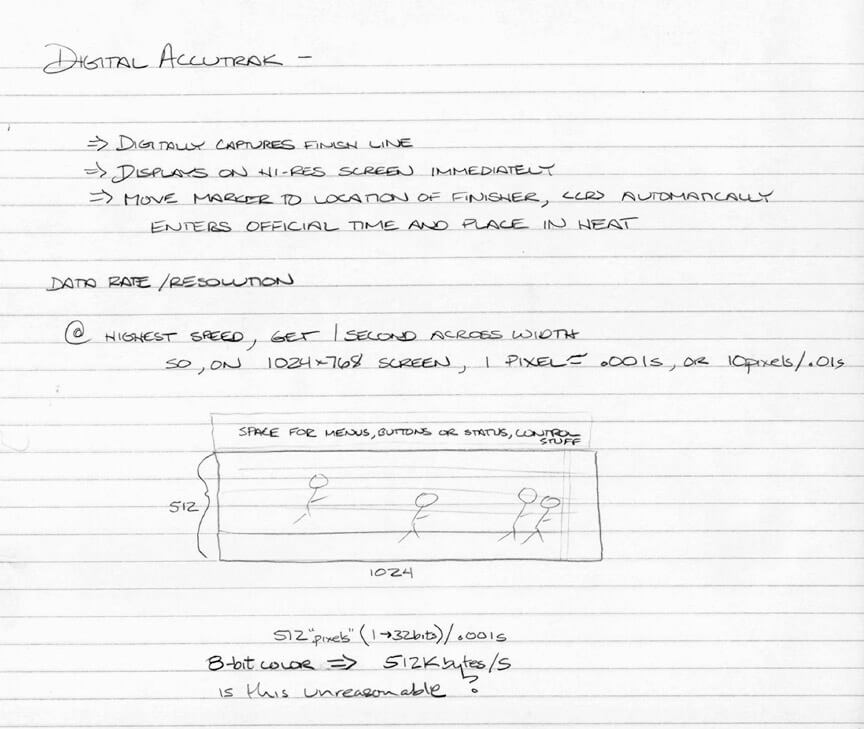
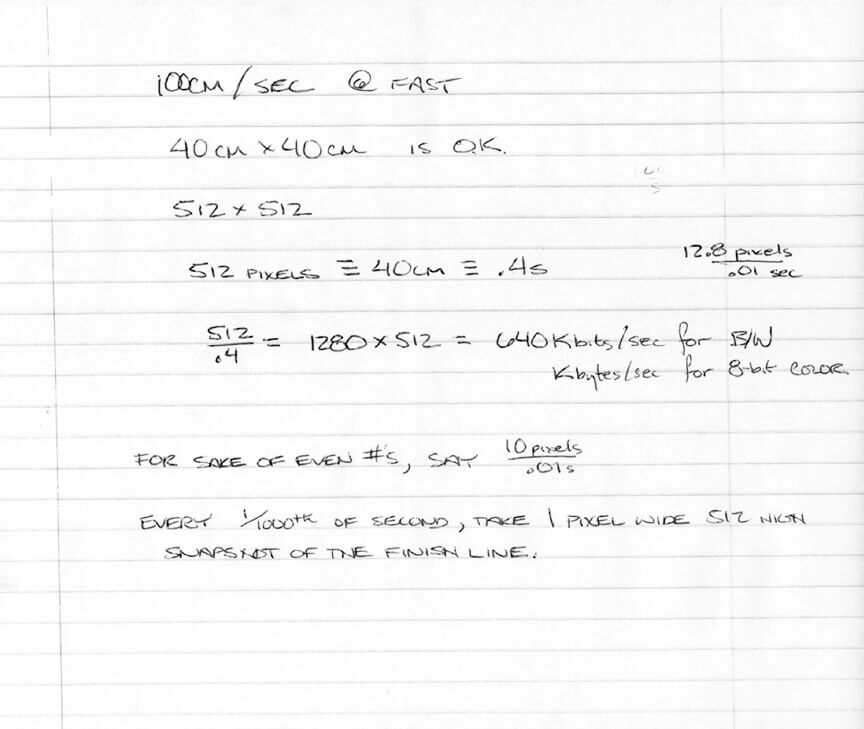
道格使用Accutrack系统计时比赛已有数月之久,却始终饱受该系统缺陷的困扰。宝丽来胶卷价格昂贵,而且每场比赛结束后都必须重新装片。胶卷经常卡纸,起跑时间记录不一致,或者成像效果不佳。而且由于道格被公认为事实上的光电计时专家,大家都将这些问题归咎于他。 他深知,比赛计时一定有更好的解决方案——一种不会让他显得如此无能的方案。于是,他开始寻找一种方法,用数字图像取代胶片,来复现狭缝扫描相机的功能。他草拟了一个概念验证方案,FinishLynx的雏形就此诞生。以下是1990年他笔记本上记录的实际构想:
从 FinishLink 到 FinishLynx

在此期间,道格继续在霍尼韦尔-布尔公司工作,并在麻省理工学院(MIT)修读兼职课程。他主要专注于工程学,但在一门名为“新企业”(New Enterprises)的商业课程中看到了潜力。“新企业”课程过去和现在都是麻省理工学院斯隆管理学院的一门热门课程,专门致力于为初创公司制定商业计划。该课程的毕业生后来创立了Hubspot、A123 Systems、PillPack和Ministry of Supply等公司。
道格最早是在1990年秋季尝试报名这门课,但非全日制学生的优先级最低,他未能获得特批。下个学期,他再次尝试,这次找了一位名叫埃里克·冯·希佩尔的教授。经过一番恳求,并多次保证自己有一个绝佳的创业点子,道格终于说服了冯·希佩尔,获准加入课程。 正是在这门课上,道格关于“数字Accutrack”的笔记本构想开始真正成形。他与同学凯特·法灵顿(同样来自缅因州的跑者)和罗布·亚历山大合作,从零开始制定商业计划。事实上,正是凯特建议将公司名称从“FinishLink”改为如今已注册为商标的“FinishLynx”。
这个小组项目大获成功,连他们的教授——也就是道格曾苦苦央求才能进入其课堂的那位——都鼓励他们进一步深化这个想法。虽然学期结束后团队成员各奔前程,但道格仍在不断摸索。他利用自己在麻省理工学院的人脉,将FinishLynx从一个课堂项目转变为一款可行的产品。

道格后来结识了柯克·西格尔——一位擅长编程的麻省理工学院本科生,以及迈克·西霍拉斯——一位熟悉数字线扫描传感器的麻省理工学院机器人实验室研究生。当时这三人都未曾料到,他们最终将把FinishLynx打造成一家成功的企业。 时至今日,柯克和迈克依然深度参与公司的产品开发,而道格则继续担任公司的总裁兼首席技术官。
三人达成协议后便投入工作。道格负责开发固件,柯克编写界面程序,迈克则设计硬件。那是1991年的夏天,团队花了数月时间研制原型机,希望能于1992年2月的田径全国锦标赛上首次亮相。道格坚信届时他们一定能让原型机顺利运行。
向跑步精英推介FinishLynx
在全国锦标赛前夕,道格联系了一位名叫鲍勃·波德卡米纳的美国田径协会官员兼软件开发人员,请他协助组织一场现场演示。鲍勃在田径界颇具影响力。他不仅是国家规则委员会的成员,而且他的 赛会总务 软件更是首批基于计算机的赛事管理程序之一。它为Hy-Tek和MeetPro等现代软件开辟了道路。鲍勃证明了自己是一位重要的盟友,他组织的演示让道格得以接触到该运动领域中极具影响力的关键人物。但有一个问题。尽管经过数月的进展,团队仍然无法看到相机原型机拍摄的任何图像。道格回忆起在预定演示的前几天发生的一个重大产品里程碑:
活动开始前两天,[我们]终于看到了图像。画面中是柯克的女友正穿过餐厅。她被倒着显示,而且每隔一张她的照片就会丢失,但这已经是一个重大突破。在系统实际于纽约亮相前的9小时,它已经可以进行演示了。于是,Lynx公司唯一拥有的那台电脑(一个看起来相当不起眼的盒子)被装进了汽车后备箱。
在产品展示日当天,道格展示了原型机,并向跑步圈内的几位有影响力的人物进行了推介。遗憾的是,当时许多人并未看清这项技术的潜力。但汤姆·詹宁斯——一位人脉广泛的经纪人兼田径教练——却对这一系统赞不绝口。汤姆曾是加州州立大学长滩分校的田径运动员,后来创办了太平洋海岸俱乐部,该俱乐部堪称全美首个职业田径俱乐部。 1992年道格与他相遇时,汤姆正在新罕布什尔州汉诺威市执教,那里拥有全美顶尖的高中田径项目之一。作为资深教练和经纪人,汤姆在田径界人脉广泛,包括赛事组织者、运动员,以及NBC和ABC电视台的联系人。这款全新的FinishLynx系统为汤姆提供了一个机会,可以利用更快、更便宜且更可靠的技术,彻底取代欧米茄(Omega)和Accutrack等基于胶片的计时器。 此外,他深知实时数字成绩画面将成为“米尔罗斯田径赛”等现场赛事解说和电视转播的革命性新工具。汤姆分享了他在那次首次演示中的想法:
比赛在麦迪逊广场花园举行。道格当时躲在街对面一家酒店的房间里。那会儿他通常都睡在车里,所以这算是一笔不小的开销。总之,霍华德·施默茨是米尔罗斯田径赛的赛事总监。当时他和来自NBC的沃尔特·墨菲在走廊里看到我,对我说:“你一定要看看这个。” 我一看到它,加上听闻它能如此迅速地出结果,当时就明白它将取代欧米茄。而欧米茄在1992年还掌握着那些大型赛事的计时权。那时,室内田径赛事主要在麦迪逊广场花园、波士顿花园等大型场馆举行,情况完全不同。我立刻意识到了这在电视转播方面带来的影响。所以不到一天,我就知道自己要退出经纪行业,转而投身计时行业了。 其实我在米尔罗斯田径赛上曾跟施默茨开玩笑说:“等着瞧吧,明年[FinishLynx]就要负责你们比赛的计时了。”当时只是随口一说,结果真的成真了。
汤姆(和道格)都清楚,这标志着一件大事的开端。
正式开业
1992年3月24日,Lynx System Developers正式从个人独资企业转型为S型公司,业务由此一飞冲天。不久之后,汤姆向道格支付了1500美元定金,成为该公司的首位客户。汤姆和他的儿子罗杰证明了自己正是那种早期采用者和推广者,正是他们帮助道格将FinishLynx推向了赛事计时领域的主流。
首款 FinishLynx 原型机
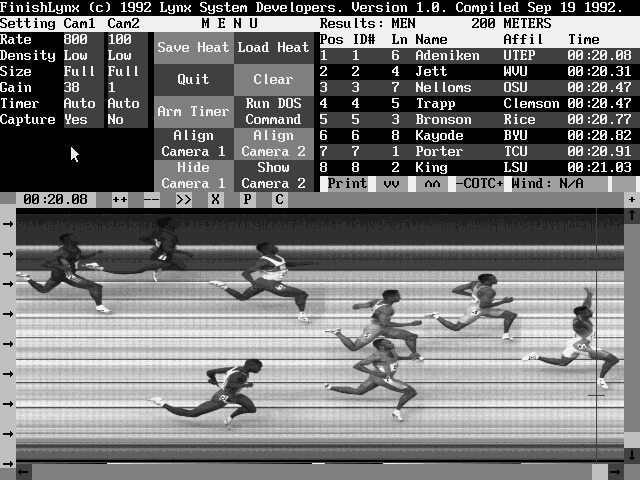
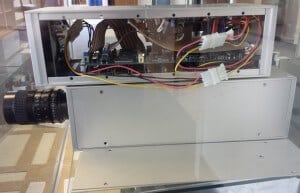
第一代FinishLynx原型机使用传真机上的黑白CCD传感器来捕捉数字图像。这些图像随后通过同轴电缆传输,由一个小型外部盒子进行压缩和处理,再经由SCSI接口发送至基于DOS的个人电脑进行分析。该相机以每秒800帧的速度捕捉500行8位像素(生成约400KB/秒的数据)。 早期系统非常简陋,确实存在不少怪癖。但它确实能用。FinishLynx相机的性能主要受限于与其连接的计算机规格。1992年,个人电脑仍处于相对初级阶段。它们价格昂贵,且缺乏处理持续传输的高质量比赛图像所需的处理器、内存和硬盘空间。 作为参考,道格当时的个人电脑配置为:4MB内存和20MB硬盘。这与我们今天动辄以千兆为单位的速度和以太字节为单位的容量相去甚远。此外,由于早期的笔记本电脑性能不足以运行FinishLynx,道格不得不把台式电脑(和显示器)来回搬运到比赛现场。 尽管如此,该系统的数字化成绩图像相较于胶片系统无疑是一大进步。因此,在鲍勃·波德卡米纳以及汤姆和罗杰·詹宁斯的协助下,道格奔波于全国各地,在任何愿意接待他的赛事中(甚至包括一些不愿接待的赛事)演示FinishLynx。
斯坦福邀请赛及后续赛事
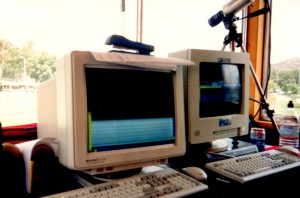
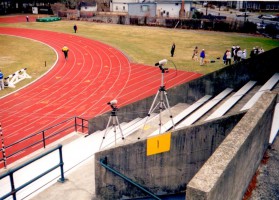
首次重大赛事演示是在加利福尼亚州的斯坦福邀请赛上。这对这家年轻的初创公司来说是一个关键时刻,因为这是道格首次有机会将FinishLynx与Accutrack进行直接对比。虽然Accutrack仍是该赛事的官方计时系统,但FinishLynx作为备用系统运行,且所有计时数据完全吻合。 甚至有几场比赛中Accutrack系统出现故障,最终由FinishLynx提供了官方成绩。这是一场真正的实战考验,而Lynx系统表现得极为出色。
这种在大型赛事上进行现场(通常未经授权)演示的策略,帮助FinishLynx迅速在田径界传播开来。数月间,演示活动遍布全美各地的赛事,包括加利福尼亚、亚利桑那、新泽西和路易斯安那等地。其中包括路易斯安那州高中锦标赛、NCAA第三分区锦标赛,以及在德克萨斯州奥斯汀举行的、全国电视转播的NCAA第一分区锦标赛。 在此过程中,FinishLynx吸引了众多新关注者,包括潜在客户、合作伙伴、投资者以及竞争对手。所有人都清楚地意识到,道格(以及他所推广的FinishLynx系统)确实拥有独一无二的特质。
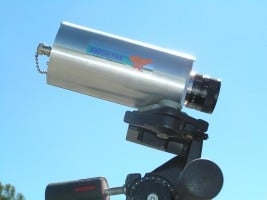
达成若干重要里程碑
1992年对这家年轻的初创公司来说堪称辉煌的一年。Lynx从2月份仅有一个半残的相机原型机,到12月份完成了第五笔销售。在这期间,道格和公司都经历了几个重要的里程碑。那年夏天(在全国巡回演示期间),道格从霍尼韦尔-布尔公司那份安稳的工作中请了假。 几个月后,他获得了麻省理工学院导师的批准,暂停了研究生研究工作,全职投身于FinishLynx。道格意识到公司这种单打独斗的自力更生模式难以持续,于是开始为Lynx的下一阶段增长做准备。
1992年11月,道格签署了位于马萨诸塞州沃本的一栋无窗办公楼的租赁合同。他还与同街区一家家族经营的PCB组装厂——惠特曼产品公司(Whitman Products)签订了制造协议。这终于让道格不必再在自己的卧室里组装系统了。就在同一个月,Lynx还聘请了首位全职员工凯特·法灵顿。 凯特是麻省理工学院(MIT)小组项目的创始成员之一,非常适合负责公司的市场营销、开具发票和客户关系。大约在这个时候,道格、柯克和迈克还为FinishLynx系统准备了第一项联邦专利。尽管在成立的第一年里有这些新的开支,公司仍然实现了盈利。


势头渐起,首批客户
到1992年底,Lynx System Developers已获得了首批5位客户。到次年7月,该公司已售出25套Lynx系统。以下是FinishLynx前20笔销售及其背后的故事:
- 汤姆与罗杰·詹宁斯——太平洋海岸俱乐部(1992年4月21日)
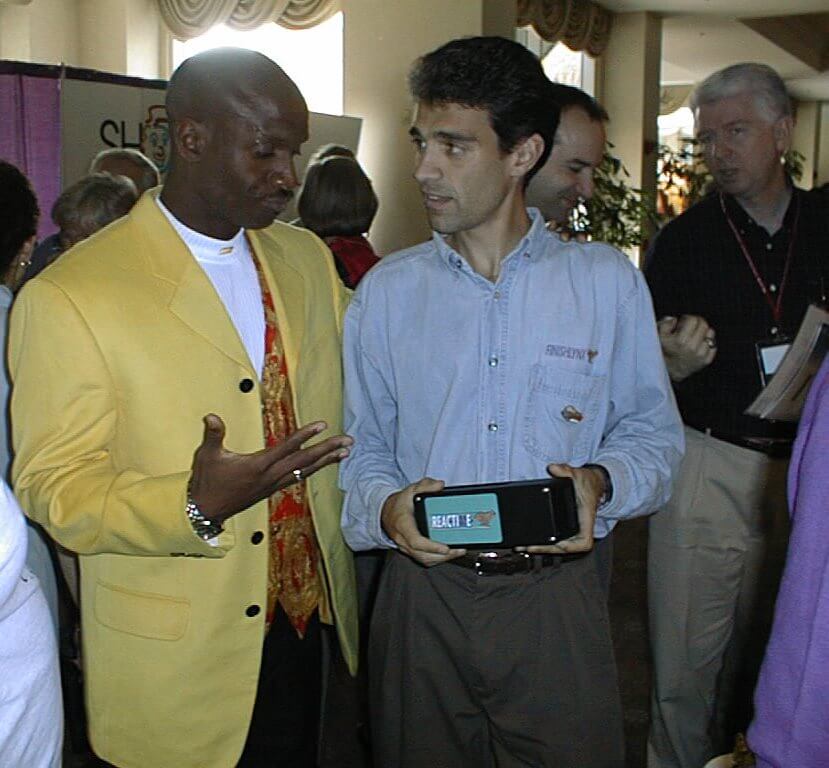
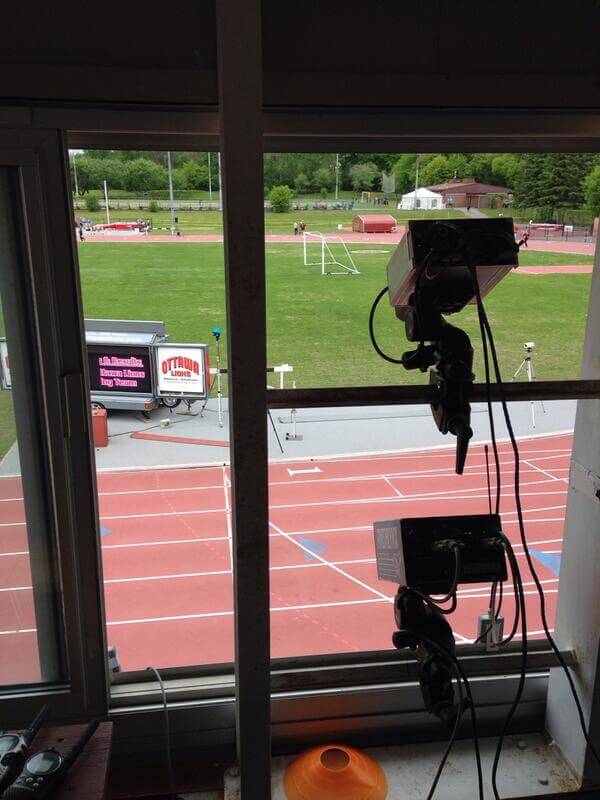
汤姆和罗杰随后创立了Flash Results,这是一家高端赛事计时公司,多年来一直担任Lynx System Developers的官方服务提供商。 如今,Flash Results已成为全球最高效且最值得信赖的服务商之一,负责为奥运选拔赛、美国田径协会锦标赛、泛美运动会以及无数场NCAA赛事等顶级赛事提供计时服务。他们目前拥有21台FinishLynx摄影机、数十台显示屏,以及ReacTime和ResulTV等其他产品。此外,他们在重大赛事中仍会展示Lynx的品牌标识和标牌,这让道格感到非常高兴。 - 布莱恩·斯普林格——Springco Athletics(1992年9月28日)
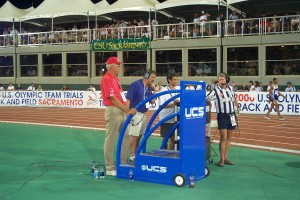
布莱恩·斯普林格于1982年创立了SpringcoAthletics,这是一家专门生产田径设备的制造商。在转而使用(并转售)FinishLynx系统之前,布莱恩曾是西海岸地区跑步和自行车赛事的主要Accutrack计时员。他还曾使用过Omega Hawkeye系统,这是FinishLynx早期的一家竞争对手。 Springco公司多年来蓬勃发展,最终于2003年与Venue Sports合并,成立了VS Athletics。如今,VS Athletics已成为美国最大的田径设备供应商之一,并至今仍在转售Lynx系统。 - 亚利桑那大学(1992年9月28日)
亚利桑那大学田径队是该公司首个NCAA客户,这在当时是一件非常重大的事情。那时,一位名叫弗雷德·哈维(Fred Harvey)的年轻助理教练大力推广了FinishLynx系统。 哈维教练最终于2002年成为该项目的主教练,并带领“野猫队”连续十余年跻身全美前25强。该项目拥有多台EtherLynx和IdentiLynx摄像头,至今仍在使用该技术。 - 肯·普拉特——普拉特系统公司(1992年9月28日)
自1992年成为第4位客户以来,肯·普拉特已在新英格兰地区开辟了一个坚实的计时服务市场。肯的计时服务公司——普拉特系统(Plattsys)——每年承办多达150场赛事的计时工作,且发展势头不减。 肯一直是业内最早采用新技术的先行者。他不仅是首批使用FinishLynx计时系统的用户之一,也是早在1996年就率先采用RFID芯片计时技术的先驱之一。 肯本人也是一位狂热的跑者,已完成惊人的43场马拉松,其中10次成绩在2小时40分以内。肯补充道:“Lynx光电终点系统彻底革新了全球体育赛事的计时方式。我们很自豪能成为最早的投资者之一。” - 普莱西德湖奥林匹克地区发展局(1992年12月17日)
普莱西德湖的 奥林匹克地区 发展局(ORDA)是田径项目以外的首个客户。该组织最初由纽约州于1981年成立,旨在管理和利用1980年冬季奥运会遗留的场馆设施。 他们购置了一套用于室内速度滑冰赛事计时的系统,菲尔·鲍姆巴赫指出,ORDA选择Lynx是因为它“运用新技术解决了老问题”。此次销售拉开了Lynx与滑冰界之间日后紧密合作关系的序幕。1995年,Lynx与国际滑冰联盟达成合作,并为速度滑冰世锦赛提供了多年的计时服务。 - 渥太华狮子田径俱乐部(1993年1月19日)渥太华狮子田径俱乐部是一家位于加拿大渥太华的计时服务机构及非营利性田径俱乐部,隶属于渥太华大学和卡尔顿大学。作为加拿大规模最大的田径俱乐部,该俱乐部拥有1500名运动员和40多名教练。目前,狮子俱乐部每年主办20多场赛事,并为该地区另外60多场赛事提供计时服务。 Lynx计时服务是该俱乐部的重要收入来源,该项目持续培养出一批高素质的运动员、教练和计时员。前狮子会计时员雨果·拉克鲁瓦(Hugues Lacroix)目前在Lynx担任计时与赛事承包商。雨果负责创建新的技术支持资源(如视频和快速入门指南),并奔走于世界各地,为包括中国举办的“世界翼装飞行联赛”在内的各类赛事提供计时服务。
- 路易斯安那州立大学( 1993年2月16日)路易斯安那州立大学是NCAA体育界的一支劲旅,其田径项目是第一分区历史上最成功的项目之一。1992年,该项目由一位名叫帕特·亨利的年轻教练执教。在道格进行现场产品演示后,亨利教练淘汰了学校原有的Accutrack系统,并率先投资了FinishLynx。 如今,路易斯安那州立大学拥有多台摄像机(包括Vision、Fusion和PRO型号),并在所有东南联盟(SEC)赛事中使用Lynx系统。2004年,当亨利教练离开路易斯安那州立大学转投德克萨斯农工大学时,他确保该校购置了属于自己的高端FinishLynx系统,该设施也因此成为测试新产品创新功能的重要场所。
- 杨百翰大学(1993年2月17日)杨百翰大学是Accutrack的长期客户,多年来一直承办大学和高中田径比赛。1993年,杨百翰大学传奇田径教练克雷格·普尔购入了FinishLynx系统,以提升比赛的质量和效率。普尔教练表示:“FinishLynx团队与我们通力合作,使该系统完美契合我们的需求。 “每当我们需要时,他们总能及时响应,并且愿意不遗余力地升级和扩充系统,以确保我们的赛事顺利进行。”普尔教练现已退休,但杨百翰大学仍拥有并运营着多台Lynx摄像机。该校田径项目目前由道格·帕迪利亚负责管理,他曾是奥运选手、助理教练,也是Lynx公司的老朋友。道格·帕迪利亚还创立了一家名为Runnercard的公司,为当地赛事提供在线报名服务。
- 奥德萨初级学院(1993年2月26日)尽管奥德萨学院曾有幸成为该系统的第九家用户,但该项目最终因预算削减而受影响,现已不再举办自己的田径比赛。奥德萨似乎是本列表中唯一一家不再积极使用该系统的机构。
- Daktronics(1993年3月16日)Daktronics是全球最大的显示屏和记分牌制造商。早在90年代,当大多数显示器公司还在制造数字显示屏时,Daktronics就已经开始研发全矩阵视频显示屏。这意味着一块视频显示屏就能处理任何体育项目或应用所需的数据和图形。这为FinishLynx提供了一个巨大的机会,通过向显示屏发送定制的比赛数据来创造附加值。 因此,两家公司建立起牢固的互利合作关系,达克特罗尼克斯协助FinishLynx在全球各大场馆和赛事中安装其系统。1993年3月的这笔交易是Lynx的首笔第三方转售业务,也标志着与这家记分牌巨头长达24年的合作关系的开端。
- 杰克·莫兰,RaceBerry JaM(1993年3月17日) 杰克·莫兰是来自明尼苏达州的一名计时员和软件开发人员,自1980年以来一直为公路赛和田径比赛提供服务。他开发的计分软件“Apple Raceberry JaM”已在数千场赛事中得到应用,曾是Hy-Tek的早期竞争对手。 杰克每年仍负责约75场比赛的计时工作,他的ARJ软件与FinishLynx完美集成,可实现计时、计分和发布成绩。当被问及最初是如何发现Lynx时,杰克说:“我订阅了[1992年]巴塞罗那奥运会的三重直播。节目中偶尔会播放终点处的画面。 当时我正在处理由Accutrack计时的田径比赛计分工作,心想‘我一定要弄一台这样的设备。’我向圣奥拉夫学院田径教练比尔·桑顿提了这件事,他向我介绍了FinishLynx,并表示愿意让出他的优先使用权,好让我能尽早开始使用它。”
- 印第安纳州立大学(1993年3月22日)印第安纳州立大学是“赛道记录员”(Clerk of the Course)软件的早期用户,也是NCAA赛事中FinishLynx与CotC系统集成的积极倡导者。
- 杜兰大学(1993年3月22日)其田径队是路易斯安那州立大学(LSU)的主要竞争对手。
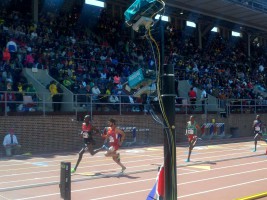
- 宾夕法尼亚接力赛 (1993年4月13日) 这是美国最顶尖的田径赛事之一。时至今日,该赛事依然是Lynx新技术的重要试金石。
- Daktronics(1993年4月15日)又一笔转售。
- 俄勒冈田径俱乐部(1993年4月19日)
- 位于俄勒冈州尤金市——“美国田径之乡”的一家精英田径俱乐部。
- HS Sports(1993年4月21日)是该公司的首个欧洲客户,目前仍是其长期合作的英国经销商。Lynx最初是通过Daktronics与这家英国公司建立联系的。HS Sports还为Seiko提供了关键的引荐。
- 布朗大学(1993年5月7日)该公司首个常春藤联盟客户。
- 缅因大学(1993年5月7日)——道格的母校。黑熊队加油!
- 魁北克田径联合会(1993年5月17日) 加拿大魁北克省的田径管理机构

编者注:早期发票较难追踪,因此日期上可能存在一些差异。此外,名单中还缺少一些值得关注的Lynx领域意见领袖,例如Phoenix Sports Technology的弗雷德·帕顿(Fred Patton) 和Matsport的菲利普·科莱特(Philippe Collet)。 据道格介绍,当时有许多人虽然收到了报价或体验过该系统,但直到后来才真正购买了自己的设备。不过需要特别指出的是,像弗雷德和菲利普这样的人,过去是、现在依然是公司发展不可或缺的一部分。
两个重要主题
在撰写本文的过程中,我们有幸采访了许多早期用户,以深入了解FinishLynx创立初期的故事。我们听到了许多引人入胜的轶事,涉及道格(Doug)、早期产品演示,以及20世纪90年代初赛事计时行业的现状。这篇文章显然无法完整呈现我们在采访过程中收集到的所有引语和轶事。 但其中有几个关键主题揭示了Lynx为何能够取得早期成功,并进而将这一成功转化为可持续且盈利的业务。首先,Lynx抓住了个人电脑革命的机遇,真正颠覆了基于胶片的赛事计时行业。其次,道格对产品和客户充满热忱,始终致力于提供更多价值。
1. 颠覆光电终点行业
我们采访过的每个人都明确表示,即便是最早期的FinishLynx系统,也比胶片式终点摄影机有了显著改进。渥太华雄狮队主教练安迪·麦金尼斯是在新罕布什尔州的达特茅斯接力赛上首次见到FinishLynx的,当时该设备由道格和罗杰·詹宁斯操作。安迪多年来一直使用一台老式的胶片计时器,他认为FinishLynx是优化其服务业务的良机。安迪指出:
在经历了数十年的欧米茄湿片相机——那时往往要等上好几分钟才能看到成像——以及Accutrack宝丽来相机经常出现曝光不足或裁切掉关键身体部位的情况后,我抓住了这个机会,将[FinishLynx]带回渥太华。这简直太棒了。我们非要拥有它不可。它似乎拥有无限潜力,能让这项运动走出“黑暗时代”和暗房。
任何使用过旧版Accutrack或Omega胶片系统的人,都深知FinishLynx在当时是多么具有创新性。来自Springco公司的布莱恩·斯普林格曾与Accutrack的创始人密切合作,他立刻对FinishLynx产生了兴趣。他回忆道:“这确实是一项技术进步,太棒了。 “你能获得比赛结果,可以打印出来,还能当场查看。所有操作都能一站式完成。”布莱恩最终从Accutrack转投FinishLynx,并成为该系统在西海岸的主要推广者,负责为洛杉矶“Sunkist邀请赛”等顶级赛事提供计时服务。

与大多数成功的初创企业一样,Lynx System Developers 的崛起似乎也得益于时机与运气的一种独特结合。道格的跑步背景、他在波士顿与 Accutrack 的偶然相遇、他在霍尼韦尔-布尔公司(Honeywell-Bull)的网络工程项目,以及他在麻省理工学院(MIT)与柯克和迈克的机缘巧合,这些因素共同促成了 FinishLynx 的开发。当时的技术和网络生态系统也为这家年轻的公司提供了有利的土壤。 20世纪90年代初,个人电脑的性能终于足够强大(且普及度足够高),足以支撑一套可行的基于计算机的赛事成绩系统。 FinishLynx 依托的是由个人电脑普及以及 Windows 等用户友好型操作系统所催生的通用硬件和接口。这使得 FinishLynx 价格亲民且易于使用,从而吸引了足够数量的早期用户。但仅靠时机还远远不够。要将一个校园项目转变为盈利且长存的企业,还需要付出巨大的努力。
2. 对产品和员工的承诺
创始人对产品念念不忘,这很正常。但有人辞去工作,开车环游全国进行产品演示,在多数人看来简直是疯了。这种对产品和用户的理想主义般的执着,正是 Lynx 故事中不可或缺的一部分。 所有的演示、展会、会议、波折以及客户反馈,都是公司发展所必需的。这不仅是因为它们让产品变得更好,更是因为它们帮助道格培养了建立稳固业务所需的人际关系。
道格始终与客户紧密合作,共同实现新功能和产品构想。他亲赴各类赛事现场,协助排查故障,并深入了解公路自行车和赛艇等运动的复杂细节。他与柯克和迈克通力合作,开发出更优质的硬件设备,以满足赛马和赛车运动等新应用场景的需求。而早期用户也以实际行动回报了这份投入,他们不仅成为产品的测试员,更成为了该品牌的推广大使。 例如,来自Flash Results的罗杰·詹宁斯常根据他在汉诺威赛事计时中的经验,提出新的软件功能建议。当Lynx完成更新后,罗杰便会驱车两小时(单程)亲自去取一份新软件。这种做法看似不合常理,但当你意识到他们是在共同解决问题时,便会豁然开朗。Lynx系统开发公司正是依靠罗杰这样的早期用户支撑起来的,他们与道格一样对技术有着近乎痴迷的热爱。
在路易斯安那州立大学“烤”电脑
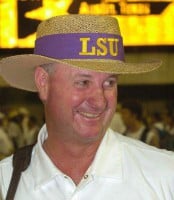
道格早期结识的另一位用户是路易斯安那州立大学的一位田径教练,名叫帕特·亨利。如今,帕特·亨利已是德克萨斯农工大学的名人堂教练,手握35个NCAA全国冠军(其中27个是在路易斯安那州立大学期间获得的)。但当时,他只是一位愿意尝试道格这项新技术的年轻教练。 亨利教练分享了关于他第一次见到道格的故事。当时他在路易斯安那州立大学举办一场使用Accutrack系统的田径比赛,道格主动上前向他演示FinishLynx系统。亨利教练说:
“有个人走过来对我说:‘我有一台相机,想试一试。’他掏出一个小圆柱体,说:‘我觉得我们可以拍张照片。’于是我们架好了Accutrack系统,他把相机就放在系统旁边。记得上午测试时我们开了一枪,结果他把一台电脑给烧坏了。后来我们正往我办公室走,道格问:‘能让我看看你的电脑吗? “我觉得能从上面拆个零件下来,让我的电脑恢复正常。”那是秘书的电脑,当时又是周六早上,所以我告诉他没问题。我走进办公室又出来时,发现这家伙已经把电脑拆得七零八落。地上和桌子上都散落着零件。我心想,我这到底干了什么啊?道格说:“没关系,我会把它装回去的。”
亨利教练进一步谈到了他对道格的第一印象:
我当时其实觉得他有点问题。我知道他是麻省理工学院毕业的,所以当然相信他知道自己在做什么。但我毕竟是一名田径教练,当看到那种情况时,我不禁心想:“天哪,我这到底是卷入了什么事?”
尽管开局并不顺利,道格还是利用借来的零件在比赛前成功修好了电脑。随着电脑恢复正常运行,他得以展示这套系统,并完美地记录了比赛结果。他还给亨利教练留下了深刻的第一印象。路易斯安那州立大学(LSU)随后不久便购置了一套系统,于1993年2月成为第7位客户。据亨利介绍,多年来两人一直保持着良好的工作关系。他说:
从一开始,道格就一直是个值得信赖的人,他始终对自己的产品负责。如果你遇到问题,道格甚至会亲自过来看看能做些什么来解决。此外,我和道格在赛场之外的关系也一直很好,我一直把他当作朋友。
这个故事完美地诠释了那种对产品及其用户都怀有的罕见热忱。多年来,这份热情通过强劲的销售额和更牢固的客户关系带来了丰厚的回报。即使在25年后的今天,仍有许多早期客户是Lynx销售团队无法接触的。 道格至今仍坚持亲自维护这些客户关系。毫无疑问,这是他保持行业领先地位、为新产品和商机汲取灵感的一种方式。但更重要的是,这让他有机会与那些早期用户保持联系——正是这些用户帮助Lynx System Developers发展成了今天的模样。
结语
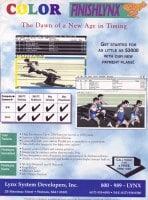
据道格介绍,FinishLynx最初的目标不仅是开发一种替代胶片式摄影终点的解决方案,更是打造一套全面的软件套件,让体育赛事的运营变得更加简单快捷。 在过去的25年里,Lynx公司一直致力于开发产品以实现这一目标。虽然EtherLynx相机仍是其核心业务,但公司还陆续推出了ResulTV、ReacTime、NetExchange、IdentiLynx、LaserLynx 和FieldLynx等产品,以满足市场的新需求并解决其中的痛点。
多年来,Lynx 光电终点相机也取得了长足的发展。第一代 800 fps 的 Silver Bullet 早已被新一代基于以太网的Vision 相机所取代,这些相机比以往任何时候都更强大、更易于使用。Vision PRO是迄今为止最先进的计时相机,最高拍摄速度可达 20,000 fps,并具备 EasyAlign、LuxBoost、电子滤镜控制、内置备用电池、机载水平仪等丰富功能。
Lynx System Developers 始终致力于开放式架构设计,通过集成以太网、串行和 USB 连接设备,帮助计时员构建可定制的结果网络。这也意味着与外部制造商合作,以确保与大量第三方设备(如记分牌、风速计、起跑系统、芯片系统和比赛计分程序)的兼容性。
如今,FinishLynx在全球6大洲135个国家拥有数千名活跃用户。此外,还有50多家合作伙伴和数百家服务提供商,协助我们在世界各地的赛事中推广Lynx。他们使用15种不同语言版本的Lynx软件,涉及数十个体育项目(从跑步到猎鹰竞速)。 这一全球网络意味着,您比以往任何时候都更容易联系计时员以获取建议或服务。这也意味着,在竞争日益激烈的市场中,Lynx必须比以往更加努力,以提供必要的资源、支持和产品。但我们正致力于实现这一目标。
感谢所有早在多年前就支持FinishLynx的早期用户,是你们让FinishLynx声名鹊起。也感谢一路以来加入Lynx大家庭的每一位伙伴。正因为有你们,这家来自马萨诸塞州的小型初创公司才得以成长为一家实力雄厚、盈利可观且富有社会意义的企业。让我们共同期待未来的25年。
Lynx System Developers 使命宣言:
将目前在顶级体育赛事中应用的技术推广至更广泛的市场。
通过精巧的产品开发,克服这些技术常伴随的可靠性低、成本高的问题。
随着产品日趋成熟,我们将通过确保卓越价值并持续采纳客户反馈,使我们的产品脱颖而出。
感谢阅读。请在社交媒体上分享这篇文章,帮助传播FinishLynx的故事。